WHO IT'S FOR
- You have PCOS and deal with thick, dark hair on your face, chest, back, or abdomen that keeps coming back no matter how often you shave, wax, or pluck
- You're tired of temporary fixes and want to know if laser hair removal actually works for hormonal hair like PCOS facial hair, not just regular hair
- You want a realistic session count and timeline for laser hair removal instead of a vague promise
- You're wondering whether laser hair removal can help with PCOS symptoms beyond hair growth
- You want to know if your skin tone or hair color will work with laser hair removal for PCOS
KEY TAKEAWAYS
- Laser hair removal reduces PCOS-related hair growth, but it doesn't treat PCOS itself or the hormone levels driving it
- Most clients see initial improvement within 8 to 12 sessions of laser hair removal, but full results usually come from completing Simplicity's standard 12–16 session program, since hormonal hair like PCOS facial hair keeps producing new active-phase follicles longer than non-hormonal hair does
- Because PCOS involves ongoing hormone fluctuation, occasional maintenance sessions for excess hair growth are common after your program is complete
- Simplicity Laser uses the Candela GentleMax Pro's dual wavelengths to treat all skin tones and dark hair follicles, which matters since PCOS affects people across every skin type
- Pairing PCOS laser treatment with hormonal management from your doctor can support your results, though the two are separate treatments
Polycystic Ovary Syndrome (PCOS) is a common endocrine disorder affecting people with ovaries. Among its many symptoms, excessive hair growth, or hirsutism, is a visible manifestation that can impact self-esteem and quality of life. If you have PCOS, there's a good chance you've dealt with dark, coarse facial hair or other excess hair follicles on your chest and abdomen that grow back within days no matter what you try. While various methods exist to manage unwanted hair, laser hair removal has gained popularity as an effective hair reduction option for PCOS-related hirsutism.
Laser hair removal for PCOS won't cure it or change the hormone levels causing your facial hair or other unwanted hair follicle growth, but it can meaningfully reduce how much hair you're dealing with and how often you have to deal with it. Here's how PCOS laser hair removal works in general, and in specific at Simplicity Laser, how many sessions to plan for, and what results actually look like.
Understanding PCOS and Excessive Hair Growth
PCOS is characterized by hormonal imbalances, resulting in the development of cysts on the ovaries, irregular menstrual cycles, and, often, elevated levels of androgens (male hormones) like testosterone, produced by both the ovaries and the adrenal glands.
One common consequence of heightened androgen levels in individuals with PCOS is hirsutism. This refers to the growth of coarse, dark hair in areas typically associated with male-pattern hair growth, such as facial hair or body hair on the chest, back, and abdomen. These elevated hormones can cause fine, barely visible vellus hairs to transform into thick, dark terminal hairs, which is why PCOS-related hair often looks and behaves differently than hair on unaffected skin.
The impact of hirsutism extends beyond its physical presence. It can lead to emotional distress, lowered self-confidence, and even social isolation. While some individuals may opt for temporary solutions like shaving, waxing, or threading, these methods offer short-lived results. They can lead to skin irritation, ingrown hair follicles, and increased psychological distress.
Laser Hair Removal For PCOS: How It Works
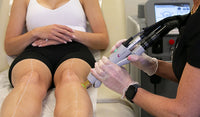
Laser hair removal has emerged as a promising solution for managing unwanted hair growth caused by PCOS. This medical procedure involves using concentrated energy to target and destroy hair follicles, preventing or delaying future hair growth. The procedure is safe and effective for all skin tones, though it works best on dark, coarse hair follicles since the laser targets pigment in the hair. This makes laser hair removal a good match for most PCOS-related hair growth, which tends to be darker and coarser than typical hair. Lighter hair colors like blonde, red, gray, or white don't respond as well to laser hair removal, regardless of the cause.
Here's how laser hair removal sessions work:
- Selective Absorption: The laser hair removal device emits a specific wavelength of energy that targets the pigment (melanin) or blood supply in the hair follicles. Simplicity uses the Candela GentleMax Pro, which pairs Nd:YAG and Alexandrite wavelengths so both lighter and darker skin tones can be treated safely. The dark pigment or blood supply absorbs the energy, which then gets converted into heat.
- Damaging the Follicles: The absorbed heat damages the hair follicles' ability to produce hair without harming the surrounding skin. This effectively inhibits future hair growth.
- Multiple Sessions: Hair grows in cycles, and not all hair actively grows simultaneously. Multiple treatment sessions of laser hair removal are required to catch hairs in their active growth phase for optimal results, and PCOS changes that timeline, you can read more on that below:
How Many Laser Sessions Will You Need for PCOS Hair Removal?
Hair only responds to laser treatment while it's in its active growth phase, called anagen. Since not every follicle is in that phase at the same time, most clients need sessions spaced 6 to 8 weeks apart to catch each hair as it cycles through. That's not a sign anything's wrong with your laser hair removal. It's just how bodies work.
PCOS adds another layer. Elevated androgens keep stimulating new follicles into their active growth phase, so many clients with PCOS see visible improvement within 8 to 12 sessions of laser hair removal and mistake that for the finish line. It's usually just where results start becoming noticeable. Reaching Simplicity's typical full reduction range often means working through the standard 12 to 16 session program of laser hair removal, sometimes more for stubborn areas like the upper lip or chin. Facial hair in particular may call for sessions spaced slightly closer together within that 6 to 8 week window.
Most research on PCOS-related hirsutism shows laser hair removal treatment works to strongly reduce unwanted hair. Simplicity Laser's clients generally see a reduction in the 70 to 90 percent range as they complete their full program. Because PCOS keeps producing new active hair growth even after treatment ends, occasional maintenance sessions of laser hair removal, usually every 6 to 12 months, are common even once you've reached your goal.
Benefits of Laser Hair Removal for PCOS
- Targeted Treatment: Laser hair removal is highly precise, allowing for the selective targeting of dark, coarse hair while leaving the surrounding skin largely unaffected. This is especially important for individuals with PCOS, as they often experience hirsutism, which involves the growth of thicker, darker hair in areas where it's not typically expected.
- Long-Term Reduction: People with PCOS often struggle with persistent and excessive hair growth. Laser hair removal reduces hair growth by damaging hair follicles and inhibiting their ability to regrow hair. Once you've completed your laser hair removal program, maintenance is far less frequent than daily shaving or regular waxing appointments, even accounting for the occasional touch-up PCOS may require.
- Minimized Skin Irritation: PCOS-related hair growth can lead to frequent hair removal methods that cause skin irritation, ingrown hairs, and discomfort. Laser hair removal reduces the need for constant shaving, waxing, or threading, which can aggravate sensitive skin and exacerbate PCOS-related skin concerns.
- Improved Confidence and Well-Being: Excessive facial hair from PCOS on places like your upper lip or body can impact self-esteem and body image. Laser hair removal's long-lasting results can lead to improved self-confidence for many clients dealing with visible hirsutism.
- Customized Treatment Plans, Guided by Experienced Technicians: Your technician builds your plan around the severity of your hirsutism, your skin tone, and your hair texture, and adjusts session count and spacing as your hair responds. This is all part of Simplicity's Simple Promise approach of treating toward your results, not a fixed package number.
- Safe for Various Skin Types: Laser hair removal technology has evolved to be suitable for a wide range of skin tones and types, including darker skin tones.
Considerations and Consultation For Laser Hair Removal
Simplicity's laser hair removal treatments follow our Simple Promise guarantee: working toward your clinical endpoint, the point where you and your technician agree you've reached your goal, rather than stopping once a preset package runs out. For PCOS clients, that often means adjusting and customizing laser hair removal session count and spacing as your hair responds, instead of holding you to a number decided before treatment even starts.
It's worth being direct about one thing: laser hair removal reduces the hair PCOS causes, but it doesn't treat PCOS or lower the hormone levels behind it. Many clients get their best results with laser hair removal working alongside their doctor for hormonal management, and may also consider electrolysis for especially stubborn PCOS hair removal needs.
Your first appointment is a consultation where your technician looks at your hair texture and treatment areas to set a realistic plan and timeline for PCOS laser hair removal before you commit to anything. Ready to talk about a laser hair removal treatment plan built around your PCOS symptoms specifically? Book a consultation at a Simplicity Laser location near you.
Frequently Asked Questions About PCOS and Laser Hair Removal
Can laser hair removal treat PCOS itself?
No. Laser hair removal works to reduce the hair PCOS causes, like unwanted facial hair on your upper lip or body hair, but it doesn't change your hormone levels or treat the condition. Managing PCOS itself is a conversation to have with your doctor, alongside PCOS laser hair removal.
Will insurance cover laser hair removal for PCOS?
PCOS laser hair removal usually isn't covered, since it's considered a cosmetic procedure. Some insurance providers offer partial coverage for laser treatments if hirsutism is documented as affecting your quality of life, so it's worth checking directly with your provider.
How many sessions will I actually need?
Most PCOS clients see visible reduction of excessive facial hair and other unwanted body hair within 8 to 12 sessions, but reaching your full reduction goal usually means completing Simplicity's standard 12 to 16 session program, since PCOS keeps activating new hair follicles longer than non-hormonal hair does.
Can I combine laser hair removal with other PCOS treatments?
Some clients pair laser hair removal with hormonal management prescribed by their doctor to help slow new hair growth between sessions. Laser handles the visible hair while your provider handles the hormonal reasons it grows.
Will laser hair removal work if I have darker skin?
Yes. The Candela GentleMax Pro's Nd:YAG wavelength was built to be safe for the full range of skin tones, including darker skin tones, so PCOS-related hair growth can be treated on everyone.